
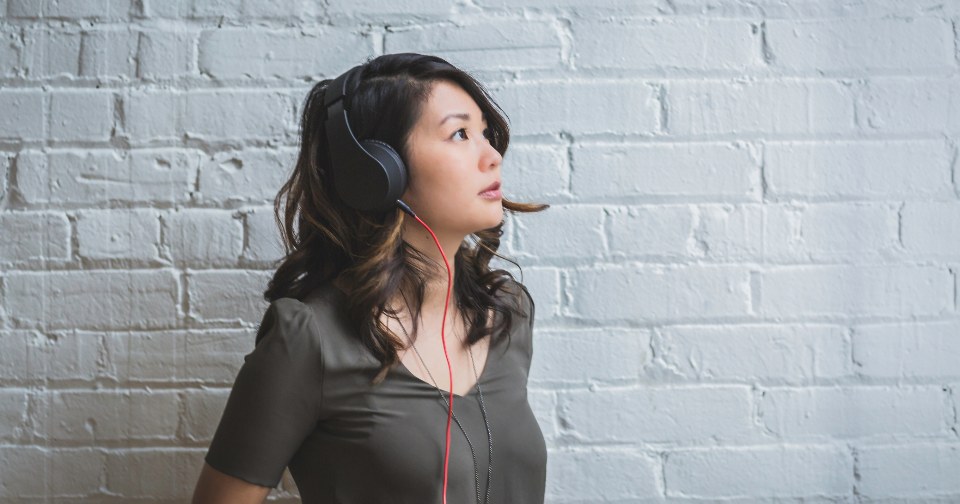
Hearing is easy to take for granted until it fades. Noise-induced hearing loss develops gradually, painlessly and permanently, which is exactly why prevention matters. The World Health Organization estimates that more than a billion teenagers and young adults worldwide are at risk of avoidable hearing loss because of unsafe listening habits, such as loud music through headphones and at entertainment venues.
The encouraging part is that noise-related hearing loss is one of the most preventable kinds. This guide explains how loud is too loud, how to listen more safely, how to pick and fit hearing protection, which warning signs to take seriously and when to get your hearing tested.
Key takeaways
- Damage from loud noise adds up over time and cannot be reversed, so protect your ears early.
- Sounds at or above about 85 decibels (dB) can harm hearing with enough exposure. The louder the sound, the less time it takes.
- Earplugs, earmuffs and a lower volume are simple, effective protection.
- Ringing in the ears or muffled hearing after noise is a warning sign worth taking seriously.
How noise damages hearing
Deep in the inner ear, thousands of tiny sensory hair cells convert sound vibrations into signals for the brain. Very loud sound, or moderately loud sound over a long time, can damage or destroy these cells. In humans they do not grow back, which is why noise-induced hearing loss is permanent. Often the first things to go are high-pitched sounds and the ability to follow speech in noisy places, so people may notice they can “hear” but struggle to understand.
How loud is too loud?
Hearing damage depends on both volume and time. Safety experts such as NIOSH recommend limiting exposure to about 85 A-weighted decibels over eight hours, and every 3 dB increase roughly halves the safe listening time. Typical sound levels, roughly:
| Everyday sound | Approximate level |
|---|---|
| Whisper | About 30 dB |
| Normal conversation | About 60 dB |
| Heavy city traffic | About 70 to 85 dB |
| Lawn mowers, blenders and power tools | About 85 to 100 dB |
| Concerts, clubs and sporting events | About 95 to 115 dB |
| Sirens, fireworks and gunshots | 120 dB and above |
How long is safe?
| Sound level | Recommended maximum exposure per day |
|---|---|
| 85 dB | 8 hours |
| 88 dB | 4 hours |
| 91 dB | 2 hours |
| 94 dB | 1 hour |
| 97 dB | 30 minutes |
| 100 dB | 15 minutes |
Smarter listening with headphones and earbuds
- Keep the volume at or below about 60% of the maximum and take regular breaks. This “60/60” rule of thumb is a useful starting point, although devices differ.
- Noise-cancelling headphones let you hear clearly at lower volumes in noisy places such as trains and airplanes.
- If people near you can hear your music, or you can’t hear them talking, it is too loud.
- Many phones have a built-in listening-health feature that warns you about loud listening. Turn it on.
- Give your ears a rest: a few quiet minutes every hour allows them to recover.

Concerts, clubs and workshops
Stand away from speakers, give your ears quiet breaks, and wear hearing protection for loud events. Inexpensive foam earplugs can reduce sound significantly, and “musician’s” high-fidelity earplugs lower the volume more evenly so music still sounds natural. Wear ear defenders when using power tools, lawn equipment or firearms.
Choosing hearing protection
| Type | Best for | Notes |
|---|---|---|
| Foam earplugs | Noisy work, mowing, general use | Cheap and effective when inserted correctly. Single use. |
| Reusable high-fidelity plugs | Concerts, clubs, musicians | Reduce volume evenly so music stays clear. |
| Custom-molded plugs | Frequent concert-goers and musicians | Made from an impression by an audiologist. Most comfortable. |
| Earmuffs | Power tools, lawn equipment, shooting | Easy to put on and off. Good over earplugs for very loud noise. |
How to fit foam earplugs
- Roll the plug into a thin, crease-free cylinder with clean fingers.
- Reach over your head with the opposite hand and gently pull your ear up and back to straighten the canal.
- Insert the plug and hold it in place for 20 to 30 seconds while it expands.
- It should feel snug, and your own voice should sound muffled. If it sticks out a lot, try another size or style.
Protecting children and teenagers
Young ears are not immune to noise. Keep headphone volume limits turned on for children, choose volume-limiting headphones, and bring ear protection to fireworks, races and loud sporting events. Teenagers are often the heaviest headphone users, so a quick conversation about the 60/60 rule can have long-term benefits.
Warning signs to watch for
- Ringing, buzzing or hissing in your ears (tinnitus), especially after noise
- Muffled sounds or a “full” feeling in your ears after a loud event
- Needing to turn the TV or phone up louder than before
- Trouble following conversations in noisy rooms, or often asking people to repeat themselves
Temporary ringing after a loud night out is a sign your ears were stressed. If it fades within a day or two, no lasting harm may have been done this time, but repeated episodes can add up to permanent damage.
Everyday ear care
Avoid pushing cotton swabs or other objects into the ear canal, since earwax usually clears on its own and swabs can push it deeper or cause injury. Keep your ears dry after swimming, and if you are regularly exposed to loud noise at work, ask about a baseline hearing test so changes can be tracked over time. Some medicines can also affect hearing or balance, so if you notice new ringing or hearing changes after starting a drug, ask a pharmacist or doctor.
Getting your hearing tested
Consider a hearing check if you notice any warning signs, if you work in a noisy job, or simply as a baseline, particularly from about age 50. An audiologist can measure your hearing and explain the results. For adults in the United States with perceived mild to moderate hearing loss, over-the-counter hearing aids have been available since 2022, though a professional evaluation is still wise, especially if the loss is sudden, in one ear only, or comes with pain or dizziness.
It’s also worth acting early because untreated hearing loss is associated with social isolation and, in several studies, a higher risk of cognitive decline. Those links don’t prove cause and effect, but staying connected and hearing well are valuable either way.
Common hearing myths
Myth: Hearing damage only happens at extremely loud events.
Fact: Damage can come from everyday exposure. Headphones at high volume for hours, power tools or a loud commute can add up over the years.
Myth: Your ears will “toughen up” if you get used to loud noise.
Fact: It may feel less uncomfortable over time, but that’s a sign of hearing loss, not resilience.
Myth: Hearing loss only affects older people.
Fact: Noise-induced hearing loss can start in teenagers and young adults, which is why prevention should start early.
See a professional promptly if…
- You lose hearing suddenly in one or both ears, over hours or a few days. This needs urgent medical attention, ideally within a day or two.
- You have persistent ringing, ear pain, drainage from the ear or dizziness.
- Hearing difficulties affect your daily conversations. An audiologist can test your hearing and explain your options.
Frequently asked questions
Can hearing damage from loud noise be reversed?
Not currently. Damaged hair cells in the inner ear do not regenerate in humans. Treatments such as hearing aids can help you hear better, but they do not restore the lost cells, which is why prevention is so important.
Are earbuds worse than over-ear headphones?
Volume matters more than style. Earbuds sit closer to the eardrum and are often used at higher volumes in noisy places, so many people find over-ear or noise-cancelling headphones allow lower, safer volumes.
Does tinnitus always mean hearing damage?
Not always, but it can be an early warning sign. Brief ringing after loud noise is common. Ringing that lasts, comes on suddenly or affects only one ear should be checked by a clinician.
How loud is too loud for headphones?
As a rough guide, if you can’t hear someone speaking to you at arm’s length or others can hear your music, it’s too loud. Staying under about 60% volume for no more than 60 minutes at a time is a useful rule of thumb.
Do I need hearing protection for everyday noise like traffic?
Usually not for normal traffic noise, but yes for sustained loud activities such as mowing, using power tools, motorcycle riding, loud concerts and shooting.
Protecting your hearing takes only a few small habits: lower the volume, add some earplugs and take quiet breaks. They are far easier than coping with hearing loss later. If stress or poor sleep is making ringing in your ears worse, our guides on managing everyday stress and sleeping better may help too.
Sources and further reading
More wellness guides



This guide is for general information only and is not medical advice. Talk to a qualified healthcare professional about your own situation before making changes to your health routine.