
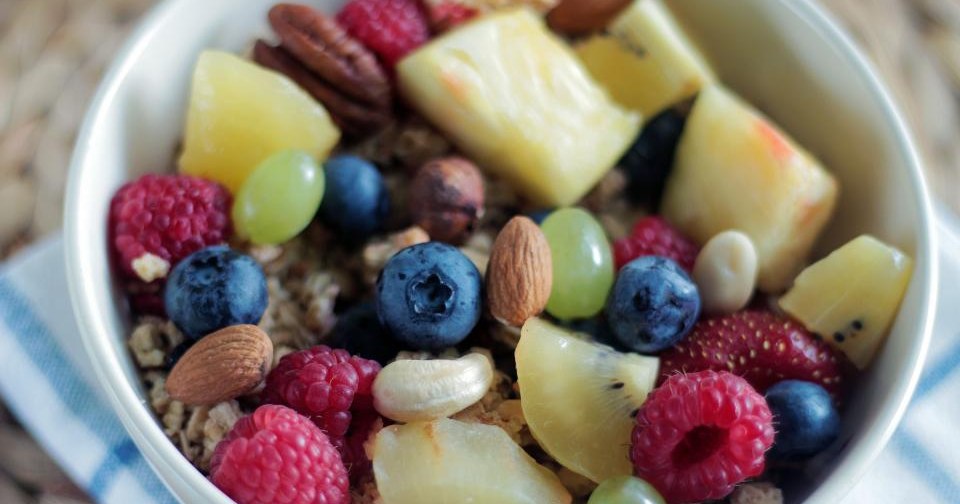
If your mid-morning energy crashes, or you are reaching for snacks by 10 a.m., your breakfast may be missing the nutrients that keep you full. A bowl of sugary cereal or a pastry with coffee can leave you hungry again within a couple of hours, while a breakfast built around fiber, protein and healthy fats tends to last much longer.
This guide gives you a simple formula for a satisfying breakfast, plenty of quick, make-ahead and savory ideas, tips for reading labels and avoiding common traps, and an honest look at whether you need breakfast at all.
Key takeaways
- A filling breakfast combines fiber (whole grains, fruit, vegetables, beans), protein (eggs, yogurt, milk, nuts, tofu) and some healthy fat.
- Sugary cereals, pastries and sweetened yogurts digest fast and often leave you hungry again soon.
- Make-ahead options such as overnight oats and egg muffins solve the busy-morning problem.
- Skipping breakfast is not harmful for everyone, but what you eat matters more than when you eat it.
- People with diabetes, or who take medicine that affects blood sugar, should follow their clinician’s guidance on meal timing.
Do you really need breakfast?
You may have heard that breakfast is the most important meal of the day. The research is more nuanced. People who regularly eat breakfast tend to have healthier overall diets, but that does not prove breakfast itself is the cause, since those people may simply have other healthy habits. Trials that tell some people to eat breakfast and others to skip it have found mixed results for weight and metabolism.
The practical takeaway is that there is no universal rule. If you wake up hungry, eating something nourishing makes sense. If you are not hungry first thing, it is fine to wait until you are. What matters most is the overall quality of your diet across the day, and avoiding the pattern of skipping breakfast and then overeating late at night.
Myth: Skipping breakfast “slows your metabolism”.
Fact: There is no good evidence that skipping breakfast permanently slows your metabolism. Total calories and food quality across the day matter more than meal timing.
The simple formula for a filling breakfast
Rather than memorizing recipes, remember a flexible template. Aim to include at least two or three of these elements:
- Fiber-rich carbohydrates: oats, whole-grain bread, fruit, berries, vegetables, beans. Fiber slows digestion and keeps you feeling full. Our guide to fiber and easy food swaps lists more high-fiber foods.
- Protein: eggs, Greek yogurt, cottage cheese, milk, nuts and nut butters, tofu, or leftover beans. Protein is the most satisfying nutrient per calorie.
- Healthy fats: nuts, seeds, avocado and nut butters add flavor and staying power in small amounts.
- Color: a fruit or a vegetable adds vitamins, minerals and extra fiber.
A bowl of oatmeal topped with berries and chopped nuts, for example, delivers all four. So does scrambled egg on whole-grain toast with sliced tomato.
Quick breakfasts for busy mornings (under 10 minutes)
- Greek yogurt with berries, chopped nuts and a drizzle of honey or a sprinkle of cinnamon
- Whole-grain toast with peanut or almond butter and sliced banana
- Scrambled or soft-boiled eggs with fruit and whole-grain toast
- Cottage cheese with pineapple or peaches and a handful of seeds
- A smoothie made with milk or yogurt, a handful of spinach, frozen berries and a spoonful of oats or nut butter
- Instant-style plain oats made with milk, topped with an apple and cinnamon
Make-ahead breakfasts
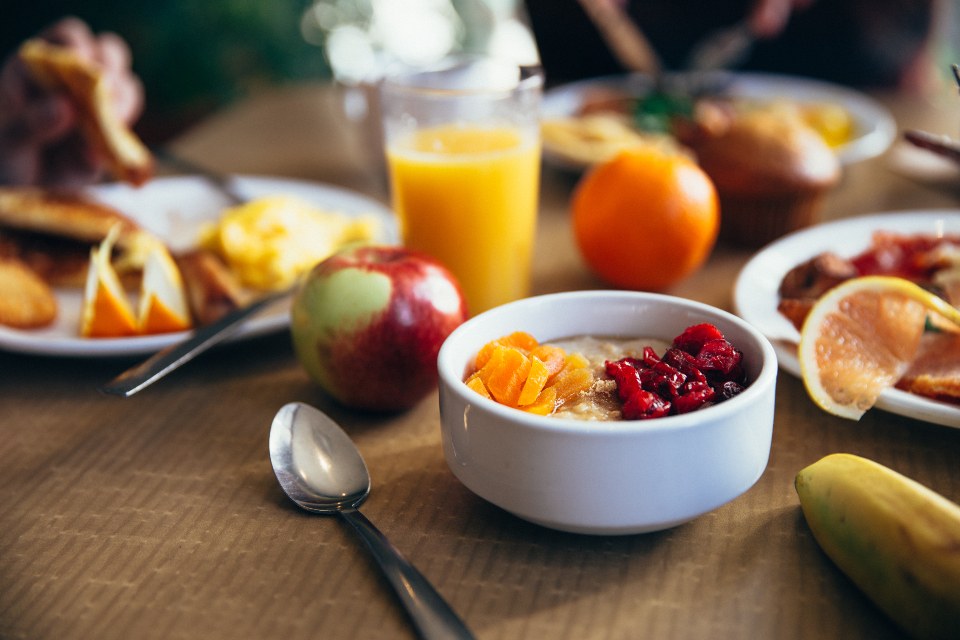
If your mornings are rushed, preparing breakfast the night before or on the weekend removes the decision at 7 a.m.
Overnight oats formula
Combine about half a cup of rolled oats, half a cup of milk or yogurt (or a mix), a spoonful of chia seeds and some fruit in a jar. Stir, cover and refrigerate overnight. In the morning, add nuts or a spoonful of nut butter. You can change the flavor each day with cinnamon, vanilla, cocoa or different fruit.
Other ideas you can prepare in advance
- Egg muffins: whisk eggs with chopped vegetables and a little cheese, bake in a muffin tin, then refrigerate or freeze and reheat in the microwave.
- Chia pudding: stir chia seeds into milk and leave in the fridge overnight, then top with fruit.
- Baked oatmeal: bake a tray of oats, milk, eggs and fruit, then cut into portions for the week.
- Breakfast burritos: fill whole-grain tortillas with scrambled eggs, beans and salsa, wrap and freeze individually.
- Hard-boiled eggs: boil a batch and keep in the fridge for the week.
Savory breakfasts that go beyond cereal
In many parts of the world, breakfast looks nothing like a bowl of cereal, and savory options can be some of the most filling and nutritious choices:
- Eggs with sautéed greens, mushrooms or tomatoes
- Avocado on whole-grain toast, with an egg or beans on top
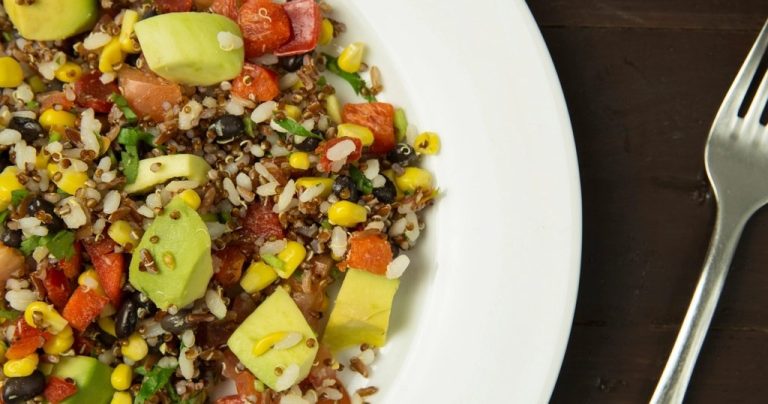
- Black beans with salsa and a whole-grain tortilla
- Lentil or vegetable soup, which many cultures enjoy at breakfast
- Hummus and vegetables with whole-grain pita
- Smoked fish or canned sardines with whole-grain bread and cucumber
Breakfast ideas at a glance
| Idea | Why it works | Time |
|---|---|---|
| Oatmeal with berries and nuts | Soluble fiber plus healthy fats keeps you full | 5 minutes |
| Greek yogurt parfait with fruit and seeds | High in protein, with fiber from fruit and seeds | 3 minutes |
| Eggs, whole-grain toast and fruit | Protein and fiber in a balanced plate | 10 minutes |
| Overnight oats or chia pudding | Prepared the night before, rich in fiber | 5 minutes the night before |
| Avocado toast with an egg | Healthy fat, fiber and protein | 8 minutes |
| Smoothie with oats and greens | Portable and customizable | 5 minutes |
| Beans on whole-grain toast | Plant protein and lots of fiber | 7 minutes |
Common breakfast pitfalls
- Sugary cereals and pastries. Refined carbohydrates and added sugar digest quickly and often lead to a mid-morning slump.
- Flavored yogurts. Some single-serve flavored yogurts contain as much added sugar as a dessert. Buy plain and add your own fruit.
- Granola and “health” bars. They can be high in added sugar and calories. Check the label and treat granola as a topping, not the base.
- Fruit juice instead of fruit. Juice lacks the fiber of whole fruit and is easy to overdo.
- Only coffee. If you are hungry later, grab a real breakfast rather than relying on caffeine alone.
How to read a breakfast food label
Packaged breakfast foods are often marketed as healthy, so the label is your best tool. For cereal, bread and bars, a few quick checks help:
- Fiber: aim for foods with at least 3 grams of fiber per serving. Look for “whole grain” or “whole wheat” as the first ingredient.
- Added sugar: the label lists added sugars separately. The FDA treats 5 percent of the Daily Value or less as low and 20 percent or more as high. Lower is generally better for breakfast cereals and yogurts.
- Serving size: compare the listed serving to what you really pour. Many people eat two servings without noticing.
- Protein: if the product is low in protein, pair it with eggs, yogurt, milk or nuts.
Breakfast for different situations
- For kids. Keep it simple and familiar: whole-grain toast with peanut butter (if there are no allergies), yogurt with fruit, or oatmeal. Involve them in choosing fruit toppings.
- On a budget. Rolled oats, eggs, bananas, peanut butter, frozen fruit and dried beans are among the cheapest nutritious options.
- Before exercise. A light carbohydrate-rich breakfast such as a banana and toast gives energy. Save big, heavy meals for after.
- With intermittent fasting. Some people do well with a later first meal. If you do, make it count nutritionally, and talk with a professional first if you have diabetes, are pregnant or have a history of disordered eating.
- When you have no appetite. Try something small and liquid, such as a smoothie, kefir or a glass of milk, and build up from there.
Eating regularly can also help with stress and mood. Skipped meals often make irritability worse, as we describe in our guide to the five-minute stress reset.
More breakfast myths
Myth: A “low-fat” granola or breakfast bar is automatically healthy.
Fact: Low-fat products often make up for lost flavor with extra sugar. Compare the label for fiber, added sugar and protein.
Myth: Fruit juice counts as a serving of fruit with the same benefits.
Fact: Juice delivers vitamins but much less fiber than whole fruit and is easy to drink in large amounts. Whole fruit fills you up more.
When to talk to a professional
- You have diabetes or take medicine that lowers blood sugar. Meal timing and carbohydrate quantity matter, so get individual advice.
- You have a food allergy or intolerance, or you are introducing common allergens such as eggs and peanuts to a baby. Ask a pediatrician.
- You often feel dizzy, shaky or faint in the morning, or you struggle with a pattern of restricting food. A healthcare professional can help.
- You are pregnant or breastfeeding and want to adjust your eating. A dietitian can tailor a plan.
Frequently asked questions
What is the healthiest breakfast?
There is no single best breakfast. A strong choice combines fiber, protein and healthy fats with little added sugar, such as oatmeal with nuts and berries, or eggs with whole-grain toast and fruit.
How can I make breakfast more filling?
Add protein and fiber. Stir Greek yogurt or nut butter into oatmeal, add eggs to toast, include beans or vegetables, and choose whole grains over refined ones.
Are eggs a healthy breakfast?
For most people, yes. Eggs provide high-quality protein, and current guidance suggests they can fit into a healthy eating pattern. People with specific health conditions, such as certain cholesterol disorders, should follow their clinician’s advice.
Is it OK to skip breakfast?
Many healthy adults can skip it without harm if they eat well the rest of the day. If you notice you are overeating later, feel low on energy or struggle to concentrate, a small breakfast may suit you better.
What can I eat for breakfast if I don’t like traditional breakfast food?
Eat whatever appeals to you. Leftover dinner, soup, a sandwich, or a bean-and-vegetable bowl is perfectly good. The nutrition matters more than the menu.
Build your breakfast around fiber, protein and a bit of healthy fat, keep a couple of quick and make-ahead options on rotation, and adjust to your appetite. Small changes, like swapping a sugary cereal for oatmeal with fruit and nuts, can make mornings noticeably steadier.
Sources and further reading
Try our free health tools
Put the numbers from this guide to work with a quick, private calculator.
More wellness guides


This guide is for general information only and is not medical advice. Talk to a qualified healthcare professional about your own situation before making changes to your health routine.