
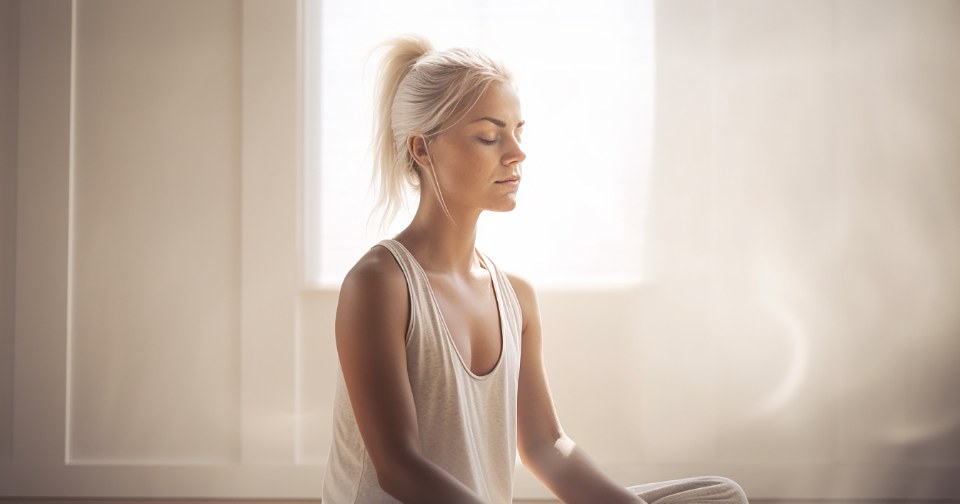
Stress is a normal part of life, and in short bursts it can even help you perform. The trouble starts when it lasts for weeks or months, which can affect sleep, mood, digestion and blood pressure. The goal isn’t to eliminate stress. It is to build skills that help your body settle back down.
This guide starts with a five-minute routine you can use anywhere, then covers other techniques with good evidence behind them, everyday habits that make stress easier to carry, and signs that it’s time to seek help.
Key takeaways
- Slow breathing with a longer exhale is a quick way to calm the body.
- Short walks, good sleep and time with people you trust all protect against stress.
- Mindfulness practices help many people. Consistency matters more than length.
- Persistent anxiety, low mood or thoughts of self-harm deserve professional support.
What stress does to your body
When your brain senses a threat, whether it’s a deadline or a near miss on the road, it triggers the “fight or flight” response. Your heart beats faster, your breathing quickens, your muscles tense and stress hormones such as adrenaline and cortisol are released. This is helpful in short bursts. Once the threat passes, the body normally returns to its resting state.
With chronic stress, that alarm keeps ringing. Over time this can show up as headaches, muscle tension, stomach upset, trouble sleeping, irritability, difficulty concentrating, and a higher risk of high blood pressure and mood problems. Recognizing the early signals gives you a chance to act before stress piles up.
Common signs of stress
- Body: tight shoulders or jaw, headaches, racing heart, upset stomach, fatigue
- Mind: racing thoughts, trouble concentrating, forgetfulness, feeling overwhelmed
- Mood: irritability, restlessness, worry, feeling on edge or flat
- Behavior: changes in appetite, sleeping too much or too little, withdrawing from people, using alcohol or snacks to cope
The 5-minute reset
Use this when you feel overwhelmed, before a stressful meeting or at the end of a hard day:
- Minute 1, pause and notice. Put both feet on the floor, relax your shoulders and notice what you are feeling in your body without trying to change it.
- Minutes 2 to 3, breathe slowly. Inhale through your nose for a count of four, then exhale gently for a count of six. Repeat about ten times. A longer exhale helps the body switch toward its relaxation response.
- Minute 4, ground yourself. Name five things you can see, four you can touch, three you can hear, two you can smell and one you can taste.
- Minute 5, choose one small next step. Ask yourself: “What is one thing I can do next?” Write it down and start there.

More techniques worth trying
Box breathing
Inhale for four counts, hold for four, exhale for four and hold for four. Repeat for a few minutes. The steady rhythm gives your mind something simple to focus on and slows your breathing.
Progressive muscle relaxation
Starting with your feet and moving up to your face, tense each muscle group for about five seconds, then release and notice the difference for 10 to 20 seconds. It’s especially helpful at bedtime and for people who carry tension in their body.
A walk, even a short one
Moving your body burns off stress hormones and shifts your attention. A ten-minute walk, ideally outdoors, is one of the easiest resets there is. Our guide to walking for health has a simple plan to get started.
Write it down
Jotting down what’s on your mind, or listing your top three tasks for tomorrow, can quiet looping thoughts. Some people also set aside a 15-minute “worry window” each day, so worries have a place to go instead of intruding at 2 a.m.
Habits that make stress easier to carry
- Move every day. Physical activity, even a 10-minute walk, is linked to lower stress and anxiety.
- Protect your sleep. Poor sleep makes everything feel harder, and stress makes sleep worse. See our guide to sleeping better.
- Spend time outdoors. Some studies suggest that even about 20 minutes in a park or green space can lower stress levels.
- Limit doom-scrolling. Set times to check the news and social feeds, rather than letting them interrupt your day.
- Stay connected. A short call or coffee with someone you trust can take the edge off.
- Go easy on caffeine and alcohol. Both can increase restlessness and disrupt sleep.
- Break big tasks into small steps. A to-do list with three realistic items beats one with thirty.
- Eat regularly. Skipping meals can worsen irritability and low energy; fiber-rich, balanced meals help (see our fiber guide).
Mindfulness and relaxation practices
Research suggests that mindfulness-based programs, guided relaxation and similar practices can reduce stress and anxiety symptoms for many people, although the effects are modest and vary from person to person. Free guided recordings and apps make it easy to try. Begin with just five minutes a day and see how it feels.
Managing stress at work
- Take short breaks away from your screen, ideally standing up or stepping outside.
- Set clear boundaries on when you’re available, and switch off notifications after hours.
- Talk to your manager early if your workload isn’t realistic, and propose specific solutions.
- Check whether your employer offers an employee assistance program, which often includes free confidential counseling.
What tends to backfire
Using alcohol, nicotine or overeating to cope may feel like relief in the moment, but it often adds problems and makes stress harder to manage over time. Avoidance, isolating yourself and constantly checking your phone can also keep stress going.
Common stress myths
Myth: All stress is bad for you.
Fact: Short-term stress can sharpen focus and motivate you. It’s long-lasting, unrelieved stress that harms health.
Myth: You should just “push through” it.
Fact: Ignoring stress usually makes it worse. Short, regular breaks and recovery help you perform better, not worse.
Myth: Relaxation is a waste of time.
Fact: Intentional rest lowers heart rate and blood pressure, and improves concentration and sleep. It’s part of being productive.
When to get help
- Stress is interfering with your work, relationships or daily life for weeks.
- You have constant worry, panic attacks, or are sleeping or eating much more or less than usual.
- You are using alcohol or drugs to cope, or you feel hopeless.
- If you ever feel in crisis or think you might harm yourself, contact local emergency services right away. In the United States you can call or text 988 to reach the Suicide & Crisis Lifeline.
Frequently asked questions
How long does it take for breathing exercises to work?
Many people notice they feel calmer within a few minutes of slow breathing. The effect builds with regular practice, so a short daily routine is better than occasional long sessions.
What’s the difference between stress and anxiety?
Stress is a response to a specific demand and usually eases when the demand is over. Anxiety involves persistent worry that may continue without an obvious cause and can interfere with daily life. If worry feels constant or out of proportion, speak with a healthcare professional.
Can stress cause physical symptoms?
Yes. Headaches, muscle tension, stomach upset, fatigue and changes in sleep and appetite are all common. Because these symptoms can have other causes, see a doctor if they are severe or don’t improve.
What is the best exercise for stress?
The best exercise is one you enjoy and will keep doing. Walking, cycling, swimming, yoga and dancing are all linked to lower stress. Even a short walk helps.
Do I need an app to meditate?
No. Apps and recordings can help beginners, but sitting quietly and focusing on your breathing for a few minutes works just as well.
Small, steady practices beat occasional big efforts. Try the five-minute reset once a day this week and notice what changes.
Sources and further reading
Try our free health tools
Put the numbers from this guide to work with a quick, private calculator.
More wellness guides

This guide is for general information only and is not medical advice. Talk to a qualified healthcare professional about your own situation before making changes to your health routine.