
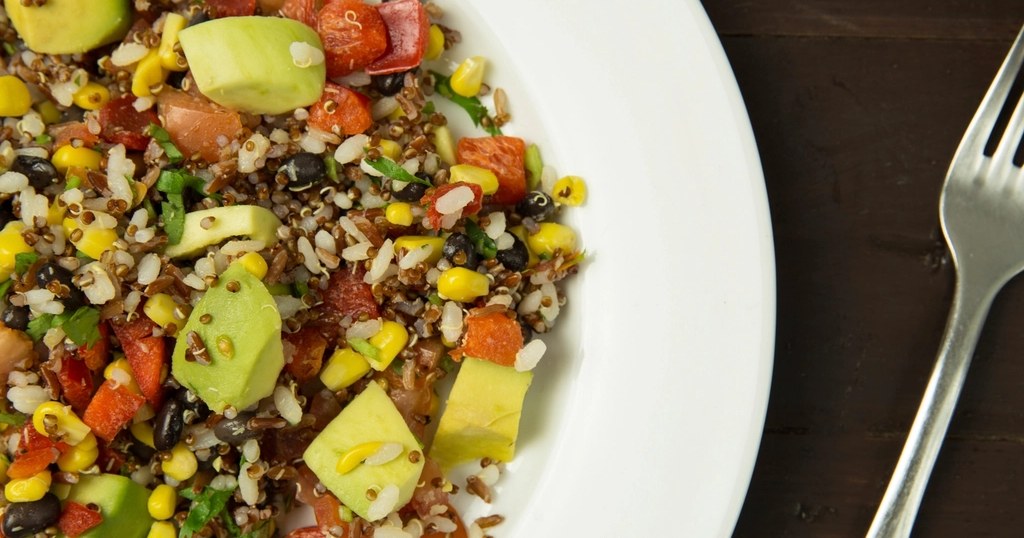
Protein and carbs get the headlines, but fiber quietly does a lot: it keeps digestion regular, helps manage cholesterol and blood sugar, and keeps you feeling full. Despite that, surveys in the United States suggest the average adult eats roughly 15 grams a day, about half of what is recommended.
This guide explains what fiber is, how much you need, which foods are richest in it, how to read a label and how to add more without the bloating that puts many people off. Everything here is based on food, not supplements.
Key takeaways
- A general target is about 25 g a day for women and 38 g for men (adults under 50), or about 14 g per 1,000 calories.
- Whole foods such as beans, lentils, vegetables, fruit, whole grains, nuts and seeds are the best sources.
- Increase slowly and drink enough water to avoid gas and bloating.
- Some health conditions need individual advice from a clinician or dietitian.
Two types, many benefits
Soluble fiber (found in oats, beans, apples and citrus) dissolves in water to form a gel. It is associated with lower LDL (“bad”) cholesterol and steadier blood sugar. Insoluble fiber (found in whole grains, nuts and many vegetables) adds bulk and helps food move through the gut, which supports regularity. Most plant foods contain a mix of both, so eating a variety is the best approach.
Diets rich in fiber are also associated with a lower risk of heart disease, type 2 diabetes and colorectal cancer. These studies show associations, not proof, but they are consistent with what nutrition experts recommend.
How much fiber do you need?
| Group | Adequate intake per day |
|---|---|
| Women, 19 to 50 | About 25 g |
| Women, 51 and older | About 21 g |
| Men, 19 to 50 | About 38 g |
| Men, 51 and older | About 30 g |
| Children and teens | Roughly 14 g per 1,000 calories eaten |
What does 25 to 38 grams look like?
Approximate amounts of fiber in common foods:
| Food | Serving | Fiber (approx.) |
|---|---|---|
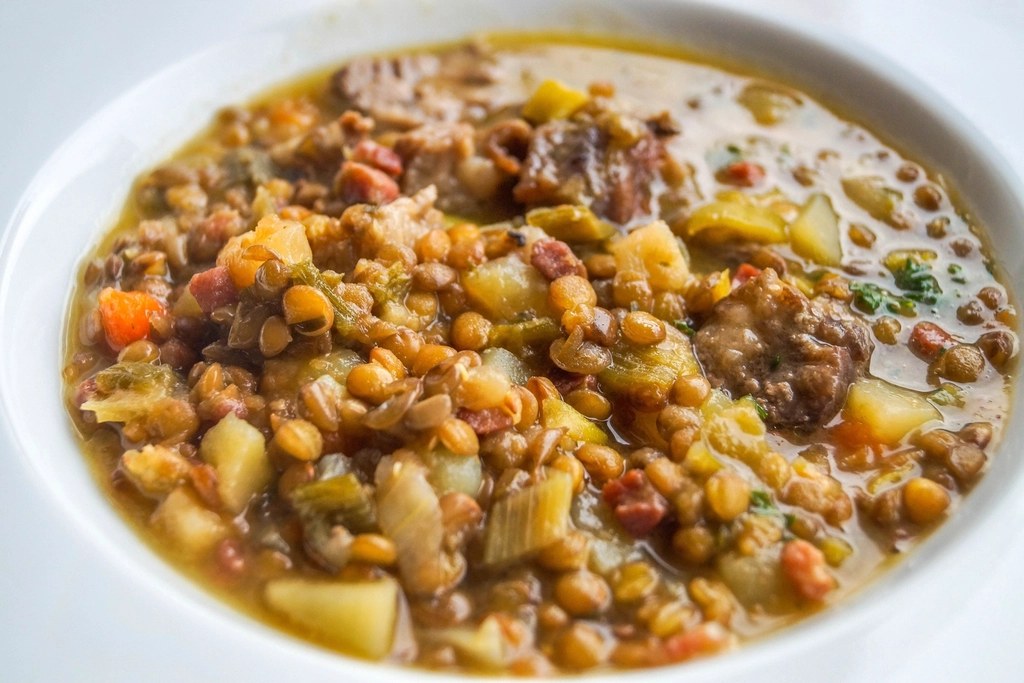
| Lentils, cooked | 1 cup | 15 g |
| Raspberries | 1 cup | 8 g |
| Black beans, cooked | ½ cup | 7.5 g |
| Chickpeas, cooked | ½ cup | 6 g |
| Pear, with skin | 1 medium | 5.5 g |
| Avocado | ½ fruit | 5 g |
| Broccoli, cooked | 1 cup | 5 g |
| Apple, with skin | 1 medium | 4.5 g |
| Oatmeal, cooked | 1 cup | 4 g |
| Almonds | 1 ounce | 3.5 g |
| Whole-wheat bread | 1 slice | 2 g |
How to read a label
Nutrition labels list dietary fiber in grams and as a percentage of the Daily Value (DV), which for fiber is 28 g. A food labeled a “good source” of fiber provides 10 to 19% of the DV, roughly 3 to 5 g per serving. “High in fiber” or “excellent source” means at least 20% of the DV, roughly 6 g or more per serving. With bread and cereal, look for “whole” as the first ingredient and compare fiber per serving, since colorful packaging can be misleading.
Easy ways to add more
- Swap white bread, rice and pasta for whole-grain versions.
- Stir beans, lentils or chickpeas into soups, salads, stews and pasta dishes.
- Choose whole fruit instead of juice, and leave the skins on apples, pears and potatoes.
- Start the day with oatmeal or a high-fiber whole-grain cereal, topped with berries.
- Snack on nuts, seeds, air-popped popcorn or raw vegetables with hummus.
- Aim for vegetables at both lunch and dinner.
- Sprinkle chia, ground flaxseed or hemp seeds on yogurt, oatmeal or salads.
Fiber and fullness
High-fiber foods take longer to chew and digest, which helps you feel full for longer. That is one reason diets rich in beans, vegetables, fruit and whole grains tend to be linked with healthier body weight. Fiber doesn’t cause weight loss on its own, but it makes a balanced eating pattern easier to stick to.
Fiber and your gut
The trillions of bacteria in your large intestine feed on fiber that you can’t digest, producing compounds such as short-chain fatty acids that help nourish the cells lining your colon. Foods like onions, garlic, leeks, bananas, oats and legumes are sometimes called “prebiotic” because they feed these microbes. Eating a wide variety of plant foods each week appears to support a more diverse gut microbiome.
Eating more fiber on a budget
- Dried beans and lentils are among the cheapest sources of protein and fiber.
- Canned beans are convenient. Rinse them to remove up to about a third of the sodium.
- Frozen vegetables and fruit are nutritious and keep for months.
- Rolled oats and brown rice are inexpensive when bought in bulk.
Go slowly
Jumping from 10 grams to 35 grams overnight can cause gas, bloating and cramps. Add roughly 3 to 5 grams more every few days and drink plenty of fluids, since fiber works best with water. Your gut bacteria adapt over a few weeks, and the early discomfort usually fades.
A sample day, roughly 35 grams
- Breakfast: oatmeal with berries and a spoonful of chia seeds
- Lunch: lentil soup with a side salad
- Snack: an apple with peanut butter
- Dinner: brown rice with roasted vegetables and chickpeas
Fiber myths
Myth: A fiber supplement is just as good as food.
Fact: Supplements can help in specific situations, but whole foods also deliver vitamins, minerals, antioxidants and many types of fiber that supplements lack.
Myth: Fiber makes constipation worse.
Fact: For most people with typical constipation, more fiber plus fluids helps. Raising it too quickly, or too little water, is what usually causes trouble.
Myth: All carbohydrates are the same.
Fact: Whole, fiber-rich carbohydrates are digested more slowly than refined ones and tend to cause gentler blood sugar rises.
Talk to a professional if…
- You have irritable bowel syndrome, inflammatory bowel disease, a history of bowel obstruction or kidney disease. The right amount and type of fiber can differ.
- You notice blood in your stool, persistent changes in bowel habits or unexplained weight loss. See a clinician rather than adjusting your diet alone.
- You are thinking about a fiber supplement. Ask a pharmacist or doctor first, since fiber can affect how some medicines are absorbed.
Frequently asked questions
What are the best high-fiber foods?
Beans, lentils and other legumes top the list, followed by raspberries and other berries, avocados, pears, whole grains such as oats and barley, nuts, seeds and cruciferous vegetables like broccoli.
Can you eat too much fiber?
Yes. Very high intakes, especially if they rise suddenly, can cause bloating, gas, cramping and loose or hard stools, and can interfere with the absorption of some minerals and medicines. Increase gradually and keep up your fluids.
Is fiber good for cholesterol?
Soluble fiber from oats, beans, barley and fruit is associated with modestly lower LDL cholesterol. It works best as part of an overall heart-healthy diet.
Does cooking reduce fiber?
Cooking softens fiber but doesn’t destroy it, so cooked vegetables still count. Peeling fruit and vegetables removes some, so keep skins on where you can.
How can I get more fiber without eating more calories?
Choose high-fiber, low-calorie foods such as vegetables, berries, beans and lentils, and swap refined grains for whole grains rather than simply adding extra food.
You don’t need a perfect diet. Adding one fiber-rich food at each meal is an easy, realistic way to move toward your target. A short walk after meals can help digestion too; see how much walking you really need.
Sources and further reading
Try our free health tools
Put the numbers from this guide to work with a quick, private calculator.
More wellness guides



This guide is for general information only and is not medical advice. Talk to a qualified healthcare professional about your own situation before making changes to your health routine.