
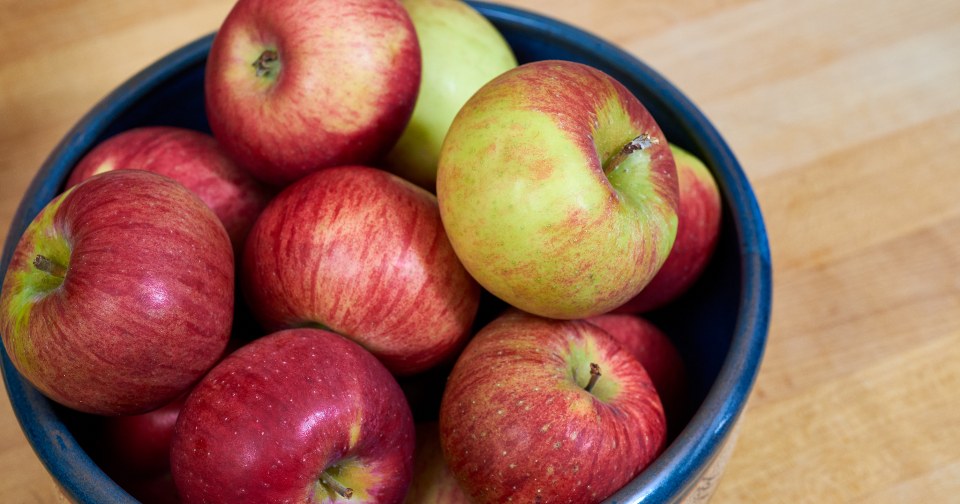
Snacking has a mixed reputation. Some people say it ruins your diet, while others swear by small, frequent meals. The truth sits in the middle: snacks can fill nutritional gaps and keep you from getting overly hungry, or they can quietly add a lot of sugar, salt and calories without making you feel satisfied.
This guide explains why we snack, shows a simple formula for snacks that actually satisfy, offers easy swaps for common cravings and explains how to read labels so you are not fooled by healthy-sounding packaging.
Key takeaways
- A satisfying snack pairs fiber-rich carbohydrates with protein or healthy fat, such as an apple with peanut butter or yogurt with berries.
- Whole foods like fruit, vegetables, nuts, yogurt and beans beat most packaged snacks for fullness and nutrition.
- Check labels for added sugar, sodium and serving size, and ignore marketing claims on the front of the package.
- Eating when you are truly hungry, and slowing down, helps you enjoy snacks without overdoing them.
- People with diabetes, allergies or a history of disordered eating should get individual advice.
Why we snack: hunger versus habit
Not every snack is driven by physical hunger. We snack because we are bored, stressed, tired, social, or because food is in front of us. Real hunger builds gradually, can be satisfied by a variety of foods and passes once you eat. Emotional or habitual eating tends to come on suddenly, craves a specific food and does not leave you feeling satisfied.
A quick check before you reach for a snack is to ask yourself whether you would eat an apple right now. If the answer is yes, you are likely genuinely hungry. If the answer is no and only cookies will do, it may be a craving or habit. Neither is wrong, but noticing the difference helps you choose with intention.
Is snacking good or bad?
Snacking is neither good nor bad in itself. Research on snacking frequency has not found a clear benefit or harm for most people. What matters is what you snack on and how much. Snacks can help if they:
- fill the gap between meals when you would otherwise get ravenous and overeat at the next one
- add fruit, vegetables, dairy, nuts or whole grains you might otherwise miss
- provide energy before or after exercise
- suit your schedule, such as long workdays, school activities or shift work
Snacking is less helpful when it adds lots of extra calories on top of regular meals, or when it replaces more nutritious foods with highly processed ones.
The build-a-snack formula
To make a snack that holds you over until your next meal, combine two groups of foods:
- Fiber-rich carbohydrate. Fruit, raw vegetables, whole-grain crackers, air-popped popcorn, oats or beans.
- Protein or healthy fat. Yogurt, cheese, nuts, nut butter, hummus, eggs, edamame or seeds.
Fiber slows digestion and protein and fat are filling, so together they keep blood sugar steadier than a carbohydrate-only snack. For more on why fiber matters and which foods are richest in it, see our guide to fiber and easy food swaps.
Snack ideas you can grab
No-prep snacks
- An apple, pear or banana with a handful of almonds or a spoonful of peanut butter
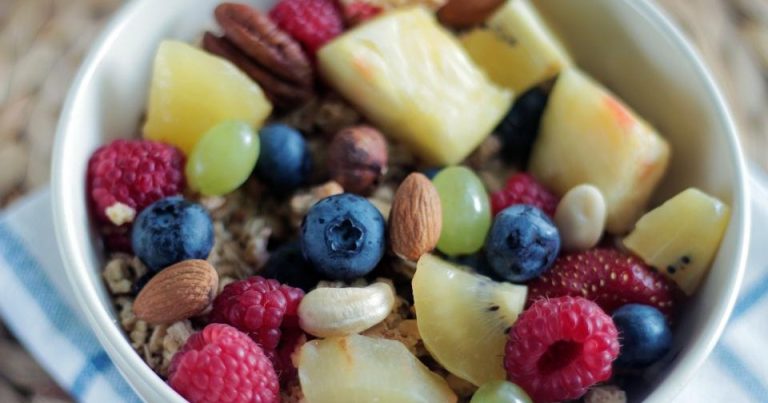
- Plain Greek yogurt with berries
- Cheese with whole-grain crackers or a piece of fruit
- A small handful of unsalted mixed nuts and raisins
- A hard-boiled egg and a piece of fruit
Crunchy snacks
- Raw vegetables such as carrots, cucumbers, peppers and snap peas with hummus
- Air-popped popcorn lightly seasoned with olive oil and herbs
- Roasted chickpeas, baked at home with spices
- Whole-grain crackers with avocado or nut butter
- Rice cakes topped with cottage cheese and tomato
Sweet snacks
- Frozen grapes or berries
- Baked apple with cinnamon
- Yogurt with a small spoonful of honey and chopped nuts
- A small square of dark chocolate with fruit
- Banana slices with peanut butter
Savory snacks
- Edamame in the pod, lightly salted
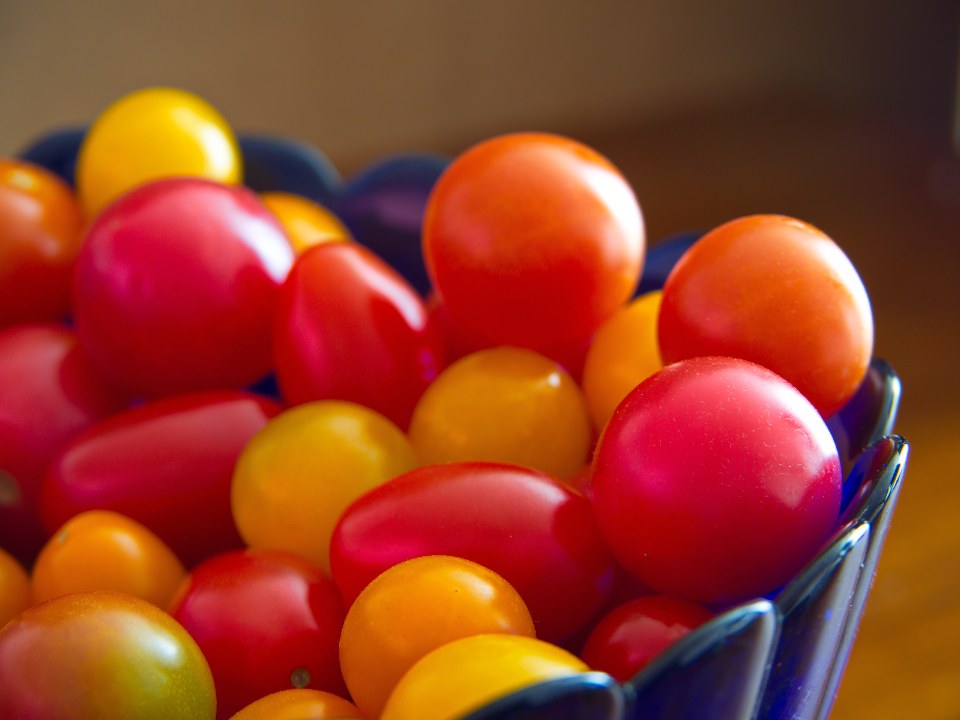
- Cherry tomatoes with mozzarella and basil
- A small bowl of lentil or vegetable soup
- Whole-grain toast with mashed avocado
- Tuna or chickpea salad on cucumber slices
Easy snack swaps
| Instead of… | Try… | Why it helps |
|---|---|---|
| Potato chips | Air-popped popcorn or roasted chickpeas | More fiber for the same crunch |
| Cookies or candy | Fruit with a few nuts, or yogurt with berries | Fiber and protein keep you full longer |
| Sugary granola bar | A banana with peanut butter | Whole-food ingredients, less added sugar |
| Flavored yogurt | Plain yogurt with fruit | Controls added sugar |
| Soda or energy drink | Sparkling water with lemon, or tea | Cuts sugar and calories |
| White crackers | Whole-grain crackers with hummus | More fiber and protein |
How to read a snack label
Packaged snacks are often marketed with words like “natural”, “wholesome”, “protein” or “made with real fruit”. Flip the package over and look at the Nutrition Facts label instead:
- Serving size. A small bag may contain two servings. Multiply the numbers if you eat the whole thing.
- Added sugars. The FDA says 5 percent of the Daily Value or less per serving is low, and 20 percent or more is high. The Daily Value used on the label for added sugars is 50 grams.
- Sodium. Many savory snacks are high in salt. The same 5 and 20 percent rule applies to sodium.
- Fiber and protein. Higher is better for staying power. A bar with 8 grams of sugar and 1 gram of fiber is closer to candy than a meal replacement.
- Ingredient list. Shorter lists with recognizable foods near the top are usually a good sign.
Mindful snacking tips
- Put it on a plate or in a bowl. Eating straight from a bag makes it easy to lose track of how much you have had.
- Slow down and sit down. Eating in front of the TV or while scrolling makes you less aware of fullness.
- Pause for a moment. Ask whether you are hungry, thirsty or simply bored. Sometimes a glass of water or a short walk is what you need.
- Plan ahead. Keep fruit visible and put treats out of sight. Pack snacks for work and school so you are not left with vending-machine options.
- Allow treats. Foods that are completely off-limits tend to become more tempting. Enjoy them in a small portion without guilt.
Late-night snacking
Evening is when many people find snacking hardest, because tiredness and stress combine with easy access to food. If you are truly hungry, a small snack such as yogurt, a banana or whole-grain toast is fine. Heavy, spicy or very sugary snacks right before bed can cause discomfort and may disturb sleep. If you often snack late out of habit or boredom, getting more sleep and a calmer evening routine can reduce cravings. Our guide to how to sleep better has practical steps.
Snacks for kids
Children have small stomachs and high energy needs, so snacks often help bridge the long gaps between meals. Offer fruit, vegetables with dip, yogurt, cheese, whole-grain crackers or sandwiches cut into shapes. Keep treats occasional and let kids learn to recognize their own hunger and fullness. For children under about four, cut round, firm foods such as grapes, hot dogs and raw carrots into small pieces, and avoid whole nuts and popcorn, which are choking hazards.
Healthy snacking on a budget
- Buy fruit and vegetables that are in season, or choose frozen fruit and vegetables.
- Make your own popcorn, trail mix or roasted chickpeas instead of buying packaged versions.
- Buy plain yogurt, oats and nuts in larger sizes and portion them at home.
- Keep staples such as peanut butter, bananas, eggs and canned beans on hand.
Common snacking myths
Myth: Fruit has too much sugar to snack on.
Fact: The sugar in whole fruit comes with fiber, water and nutrients, which slow its absorption. Whole fruit is associated with better health, not worse, for most people.
Myth: 100-calorie snack packs are always a smart choice.
Fact: They can help with portion control, but many are highly processed and not very filling. A piece of fruit with nuts is usually more satisfying for a similar number of calories.
Myth: You should eat small snacks every two hours to “keep your metabolism going”.
Fact: There is no strong evidence that frequent small meals boost metabolism. Eat when you are hungry and aim for balanced meals.
When to talk to a professional
- You have diabetes, prediabetes or low blood sugar. Snack timing and carbohydrate quantity can matter, so get individual advice.
- You have a food allergy, intolerance or celiac disease and need help finding safe snacks.
- You feel out of control around food, binge eat, or find yourself restricting and feeling guilty. This may be a sign of disordered eating, and support is available.
- A young child is a very picky eater or is not growing as expected. Talk to your pediatrician.
Frequently asked questions
What is the healthiest snack?
There is no single best snack, but combinations of fiber and protein such as an apple with peanut butter, yogurt with berries or carrots with hummus tend to be both nutritious and satisfying.
How many snacks should I eat a day?
It depends on your appetite, schedule and meal sizes. Many adults do well with zero to two snacks. Let hunger guide you, and choose nourishing foods when you do eat.
What can I snack on when I want something sweet?
Try fruit, frozen grapes, a baked apple with cinnamon, yogurt with berries or a small square of dark chocolate with some nuts. Pairing sweet foods with fiber or protein helps them satisfy.
Are protein bars a healthy snack?
Some are, and some are glorified candy bars. Check the label for added sugar, fiber and a short ingredient list. Whole foods like nuts, yogurt, eggs or cheese often work as well or better.
How do I stop mindless snacking?
Eat at set times, serve food on a plate, avoid snacking while distracted, keep tempting foods out of sight and make sure your meals contain enough protein and fiber to keep you full.
Snacks do not need to be complicated or perfect. Pair fiber with protein or healthy fat, keep nourishing options within reach and enjoy treats mindfully. Over time, those small choices add up.
Sources and further reading
Try our free health tools
Put the numbers from this guide to work with a quick, private calculator.
More wellness guides


This guide is for general information only and is not medical advice. Talk to a qualified healthcare professional about your own situation before making changes to your health routine.