

Why Is My Website Slow? Measure DNS, TLS and Server Time with curl
Use curl to split a web request into DNS, connection, TLS, server and download time, read the numbers correctly and fix the slow part.
3 views0 likes0 commentsDNS, routing, firewalls, VPNs and everything between two machines.
Use curl to split a web request into DNS, connection, TLS, server and download time, read the numbers correctly and fix the slow part.
3 views0 likes0 comments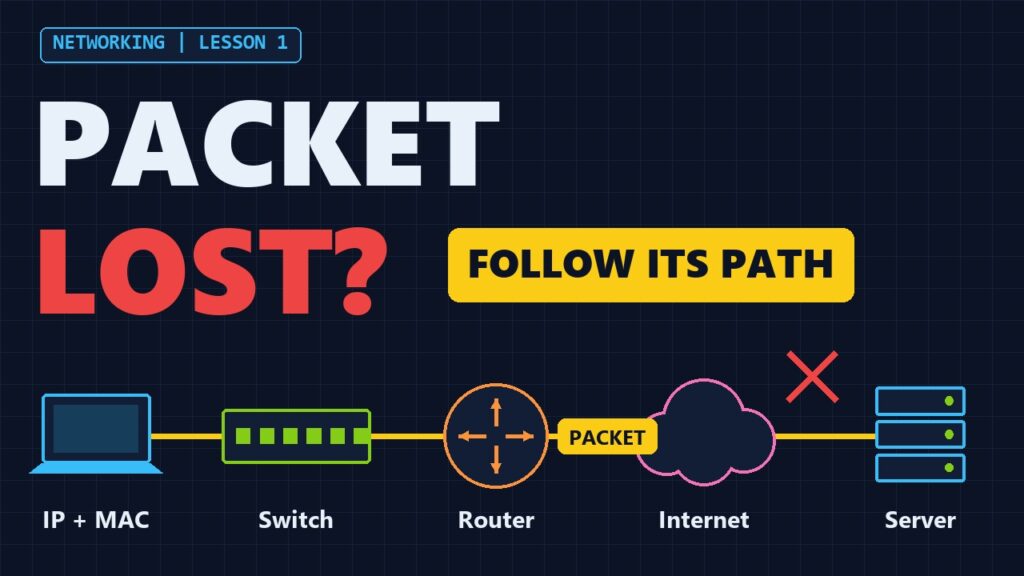
Learn how a network really works: IP and MAC addresses, how a switch and ARP deliver frames in the LAN, how the router and default gateway connect networks, and how a packet travels hop by hop. Checked with ip and ping on Linux.
3 views0 likes0 comments
Capture and read network traffic with tcpdump: key options, filters, a real TCP handshake explained line by line, and pcap files for Wireshark.
4 views0 likes0 comments
Understand ports, the TCP three-way handshake and when UDP is used, learn the common port numbers, and test whether a port is open from Linux and Windows.
3 views0 likes0 comments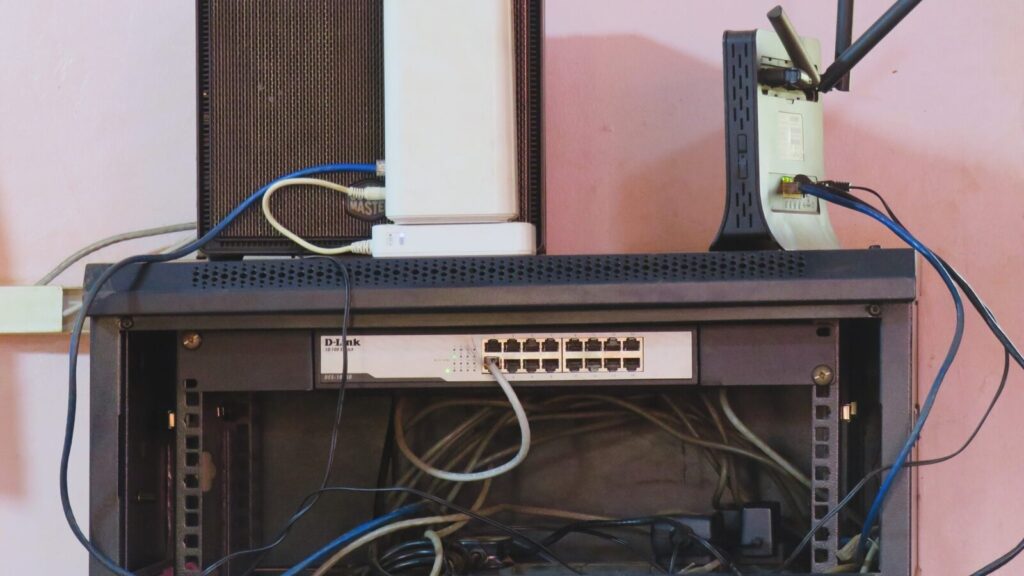
Learn how IPv4 addresses, subnet masks and CIDR work, calculate network, broadcast and host ranges by hand, and split a network into subnets.
3 views0 likes0 comments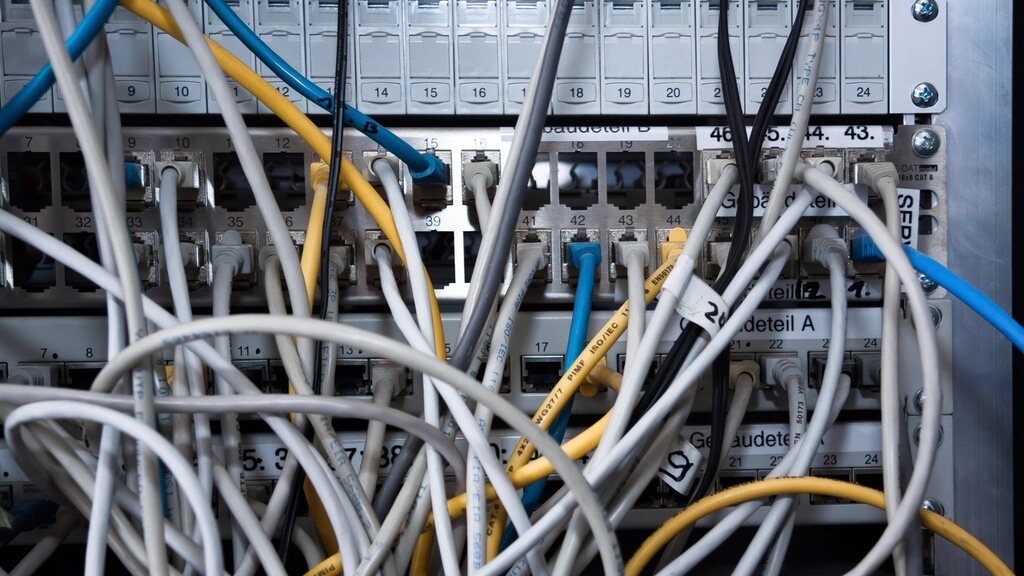
Troubleshoot Linux networking step by step with ip, ping, dig, ss, curl and nc, open ports in firewalld, and set a static address with nmcli on RHEL and AlmaLinux.
3 views0 likes0 comments
What nameservers and DNS records really are, how DNS caching and “propagation” work, and a step-by-step plan to move a website (and its email) to a new hosting provider without downtime.
4 views0 likes0 comments
A site is unreachable and DNS is the suspect. Learn the dig and nslookup commands that tell you what a domain really resolves to, and where the problem is.
2 views0 likes0 comments
Practical tutorials for people who run, build and fix things: operating systems, databases, development, networking and security.